With the b’Twin Lab, Oxylane launches its first branded co-creation platform (dedicated to cycling)

iphone-app

The b'Twin club of riders, which is accessible on the web and on smartphones, now has it's co-creation pendant du fuel innovation


The Oxylane group, (still) known as Décathlon, is one of the most innovative actors in sports, whether it is in designing, engineering and retailing great products that appeal to a large market. Led by designers such as Philippe Picaud, the French manufacturer and retailer not only innovates with very popular products, but they also succeeded in building private brands with a strong identity and high appeal. Today, “Oxylane’s global strategy is to open up the innovation process towards those who do sports and use all these products in their practice“, told me Sylvain Venant, Brand Innovation Manager for b’Twin (the cycling brand of Oxylane). A first step had been taken with the creation of a b’Twin Village  in the north of France in November 2010: it’s a venue that could be described as a mixture between a shop, a design center and playing field, where customers meet and interact with product managers and designers (and, of course, salespeople!). Now, a second step is the opening of a dedicated co-creation space called b’Twin Lab. Continue reading →
One brand, different platforms (Part 3) Coca-Cola unleashes passion and engagement

The world is too fast, complex and networked for any company to have all the answers inside

Yochai Benkler, author of The Wealth Of Networks

In the previous weeks, I blogged about co-creative initiatives of Danone and three different co-creation engagements of Heineken. While the examples I used shows how Danone choses according to the local/global scope of co-creation projects, Heineken’s choice seems to focus more about the specialization of the co-creation platforms they work with, from calling for ideas to managing a whole on/offline process. The part of our series about the way online platforms are being used as intermediaries by brands, we’ll have a look at  Coca-Cola, which is renown to be a brand people get passionate about. Such a global brand just has to co-create since a lot of its value lies in peoples’ emotional engagement. Here are a couple of examples:

logo small Continue reading →

One brand, different platforms (Part 2) Heineken builds on deepness of engagement

The world is too fast, complex and networked for any company to have all the answers inside

Yochai Benkler, author of The Wealth Of Networks

Last week, we highlighted co-creative initiatives of Danone and their preference for global/local communities. As a second part of our series about the way online platforms are being used as intermediaries by brands, we’ll have a look at Heineken, and three different co-creation campaigns run with different actors of the field – and on different platforms, including facebook. Continue reading →

One brand, different platforms (Part 1) Danone builds on geographic diversity

The world is too fast, complex and networked for any company to have all the answers inside

Yochai Benkler, author of The Wealth Of Networks

It is the mantra of open innovation advocates: go find outside what you’re unable to figure out by yourself. What started in the scientific field with success stories like InnoCentive or NineSigma, now spreads to product development and marketing. Companies source more and more ideas directly from consumers, with online platforms being the only intermediary, with the logical consequence of an explosion of web-based platforms. Today, distinctive positionings emerge within this new competitive landscape (which is a situation of healthy competition, I think) and brands don’t hesitate to leverage different platforms for different purposes.

This series of posts sheds light on a couple of brands that use that platforms’ in a complementary manner. This week, I take a look at Danone, for which I identified three different co-creation platforms.

logo-big

Continue reading →

Money-making platforms are rare: the cost of co-creation

screenshot

When Hyve retweeted Sense (two renown co-creation consultancies), I thought the information must really be interesting. And it was. A report about Winning and Failing Co-Creation Platforms which compares 20 different platforms by interest, community scope or interaction tools.

Even though the report does have some flaws, its conclusion is very insightful and concludes that “money-making platforms are rare“, which is perfectly true. To generate cash, companies either have to sell community-output (like Quirky or Local Motors) or make big companies pay for using the platforms (like eYeka or InnoCentive). Co-creation, Open Innovation, Crowdsourcing… all these iniatives bear costs that can’t be neglected ! Continue reading →

Crowdtap’s Brand Influence metric: my questions

puma-head

Few people will commit to a brand like this little boy... but how to measure brand influence?


I am a passionate reader of FastCompany.com and its design pendant FastCoDesign.com (and I advise you to have a look at it, very inspiring!). Right after publishing a blog post the difficulty of classifying crowdsourcing actors, in which I placed CrowdTap as an example of good measurement/metrics, Fast Company published an article about their last innovation: the Brand Influence Metric. Brand Influence (“the cross-channel metric for marketing impact“) measures the power of any marketing action to impact consumers’ advocacy of the client’s brand and willingness to purchase its products. Does this metric usher a new era for marketing metrics or is it a proprietary metric with limited broad impact? Some questions…

Continue reading →

Does crowdsourcing for communities (rather than for companies) make sense?

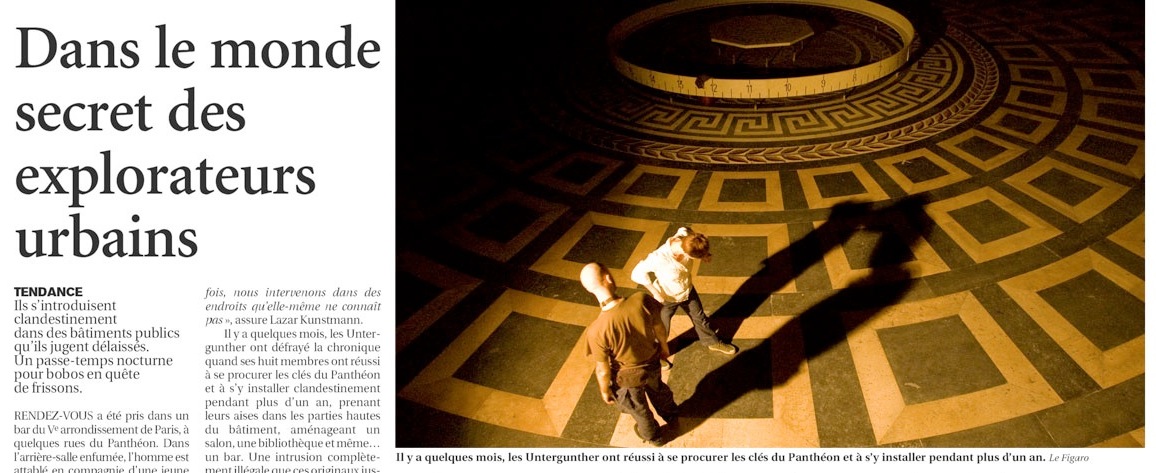
article-le-figaro

The "Untergunther" underground movement: (illegaly) restoring old monuments of Paris (image via http://web.mac.com/peint/UGWK/Untergunther_Presse.html)

A couple of months ago, I blogged about community brands (not brand communities, which tend to have three distinct traits: (1) members share rituals or traditions, (2) there’s a sense of community, of belonging to a special group so that (3) community members feel morally obliged to help each other). A community brand uses the inverse approach: they emerge from spontaneaous and informal movements, mainly because they grow and gain visibility, so that they have to adopt some kind of unique identity (Cova, Louyot-Gallicher & Bonnemaizon, 2011). Examples are the Slow Food movement, the Burning Man festival or the Couchsurfing community. Continue reading →