Les distributeurs français se mettraient-ils à la co-création?

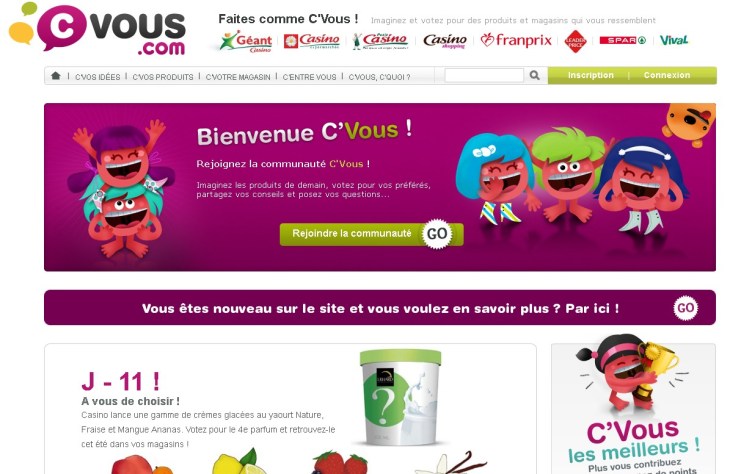
page d'accueil

Comme l’a gentiment partagé @Ccollab, le groupe Casino vient de lancer une plateforme communautaire. Un pas vers une stratégie de co-création?

Il y a des modes, il y a des tendances et il y a des boulversements. Aujourd’hui, avec l’avènement d’internet et la légitimisation des actions participatives, on ne peut plus dire que la co-création est juste un effet de mode ; c’est une tendance de fond. A l’étranger, il existe de nombreux exemples innovants de distribution: l’enseigne américaine Target a conclu un partenariat avec la plateforme de crowdsourcing Quirky, son concurrent Walmart s’ouvre à la foule pour référencer de nouveaux produits, l’allemand Tchibo a une communauté en ligne qui lui suggère de nouveaux produits… et quid des distributeurs français? J’ai l’impression qu’on va au-delà du design de logo, aujourd’hui, et qu’ils se mettent à intégrer la co-créations dans leurs stratégies. Un petit tour d’horizon de ce qui se fait aujourd’hui. Continue reading →

One brand, different platforms (part 8) – Nokia’s wise approach to crowdsourcing

The world is too fast, complex and networked for any company to have all the answers inside

Yochai Benkler, author of The Wealth Of Networks

Wow, it’s already the 8th part of this series about brands and their web-based participatory efforts. Companies like Danone, Heineken, Coca-Cola, Siemens, Unilever, GE and Dell do leverage web 2.0 to innovate and engage consumers, this part is dedicated to Nokia. The Finnish cellphone manufacturer seriously missed the co-creative push ushered by Apple and its applications, so they had to catch up and innovate their own way out of this crisis. Here are some of their initiatives, and they’re still learning.

connecting people

Continue reading →

Crowdsourcing: Serial participants end up proposing less diverse ideas

thumbnails

Right after writing that blog post about crowdsourcing at Dell, I read an interesting piece of research about participation in the Dell Ideastorm crowdsourcing-platform. The paper is authored by Barry L. Bayus an d will be published in Management Science in the next months (see the first version, and the second version – by the way, it’s a great way to see how mauch a paper evolves durring the reviewing process). While it has not been published yet, the findings are interesting to look at, because they’re among the first ones to analyze participation in crowdsourcing over time. And it seems that there are challenges ahead for Dell… Continue reading →

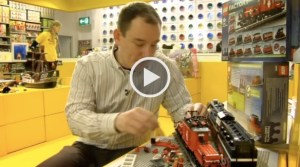
LEGO arrête ses efforts de co-création en ligne… pour l’instant!

video-screenshot

Cliquez sur l'image pour voir la vidéo sur Nouvo.ch

Via l’excellent site InternetActu, je viens de tomber sur cette vidéo sur Lego. Le reportage de 2007, appelé Lego, les geeks s’emparent de la brique, montre comment Lego s’est progressivement ouvert à la créativité des passionnés (comme Holger, 33 ans) en leur permettant d’uploader des designs personnels en Lego sur le site Lego Factory, aujourd’hui appelé DesignByMe. En créant ce site, en 2006, Lego suit la logique de longue traîne, très bien expliqué dans la vidéo… seulement voilà… Continue reading →

One company, different platforms (Part 5) Unilever manages co-creation for its various brands

The world is too fast, complex and networked for any company to have all the answers inside

Yochai Benkler, author of The Wealth Of Networks


In the previous posts of this series (about Danone, Heineken, Coca-Cola and Siemens), I used the expression “One brand, different platforms” to talk about brands’ online co-creation efforts. This time, it’s more appropriate to say “One company, different platforms“, because Unilever is not really a brand for the general public, much more known are brands like Axe, Sunsilk, Becel or Knorr. Well all of these brands have engaged in a form of co-creation in a way… and here’s how.


logo

To find out more about Unilever's logo, click on the image

Continue reading →

One brand, different platforms (Part 3) Coca-Cola unleashes passion and engagement

The world is too fast, complex and networked for any company to have all the answers inside

Yochai Benkler, author of The Wealth Of Networks

In the previous weeks, I blogged about co-creative initiatives of Danone and three different co-creation engagements of Heineken. While the examples I used shows how Danone choses according to the local/global scope of co-creation projects, Heineken’s choice seems to focus more about the specialization of the co-creation platforms they work with, from calling for ideas to managing a whole on/offline process. The part of our series about the way online platforms are being used as intermediaries by brands, we’ll have a look at  Coca-Cola, which is renown to be a brand people get passionate about. Such a global brand just has to co-create since a lot of its value lies in peoples’ emotional engagement. Here are a couple of examples:

logo small Continue reading →

One brand, different platforms (Part 2) Heineken builds on deepness of engagement

The world is too fast, complex and networked for any company to have all the answers inside

Yochai Benkler, author of The Wealth Of Networks

Last week, we highlighted co-creative initiatives of Danone and their preference for global/local communities. As a second part of our series about the way online platforms are being used as intermediaries by brands, we’ll have a look at Heineken, and three different co-creation campaigns run with different actors of the field – and on different platforms, including facebook. Continue reading →