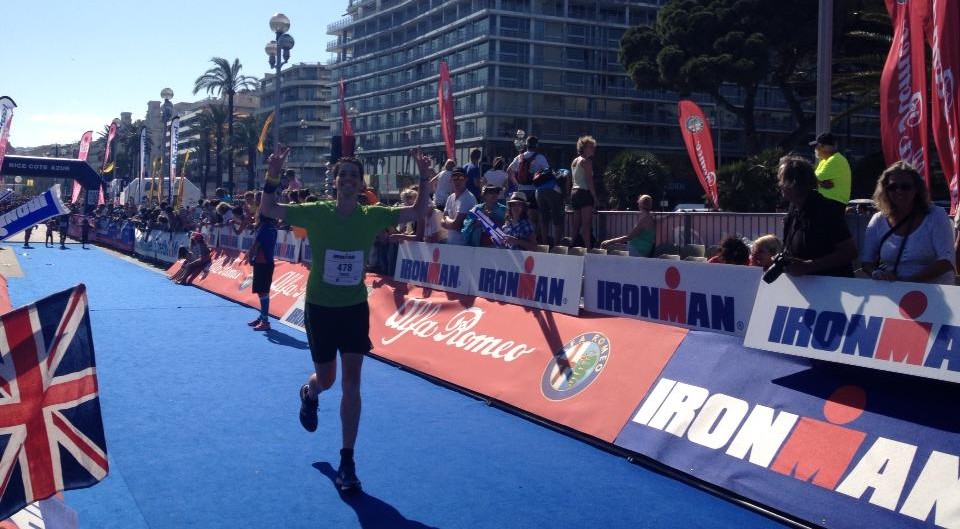
Our Journey to Ironman France 2013

yannig-roth-ironman-nice-2013-finish

Sunday, I completed Ironman France with a friend in Nice. I crossed the line with a time of 11:01:35 which is a fairly good time for a first participation – especially since I hoped for a sub-12 hours finish time. The weather conditions were almost perfect, which made it a fantastic and well-organized event that was an absolute pleasure to share with the friends that followed us. We also managed to raise 4,610€ for children in South-East Asia, which was an extra boost for both training and racing. In this post, let me briefly present our way to Ironman France: the idea, the training, the event, the race and the learnings. Continue reading →

Co-Creation in the Banking Industry: Crédit Agricole’s Alpha Project

tugdual-de-latour-alpha-agence-credit-agricole

On December 13th 2010, the Parisian branch of Crédit Agricole, one of France’s leading banks (whose co-creation efforts I already covered here in French) announced the launch of the Alpha Project. By creating a physical space in the center on Paris, the co-creation project is meant to invite consumers in a physical store, to let them suggest and test new ideas and to eventually co-create the bank-client relationship. This is an interview of Tugdual de Latour, the manager who handles the Alpha project since the early days.

I met Tugdual in the Alpha Agency, and asked him what results the experiment has provided so far. His 2-and-a-half years experience as a co-creation manager prove to be invaluable for all those who are curious about customer involvement. Here are his answers about running a co-creation experiment in the banking industry, about the good and bad sides of customer involvement, and the future of the Alpha Project. Continue reading →

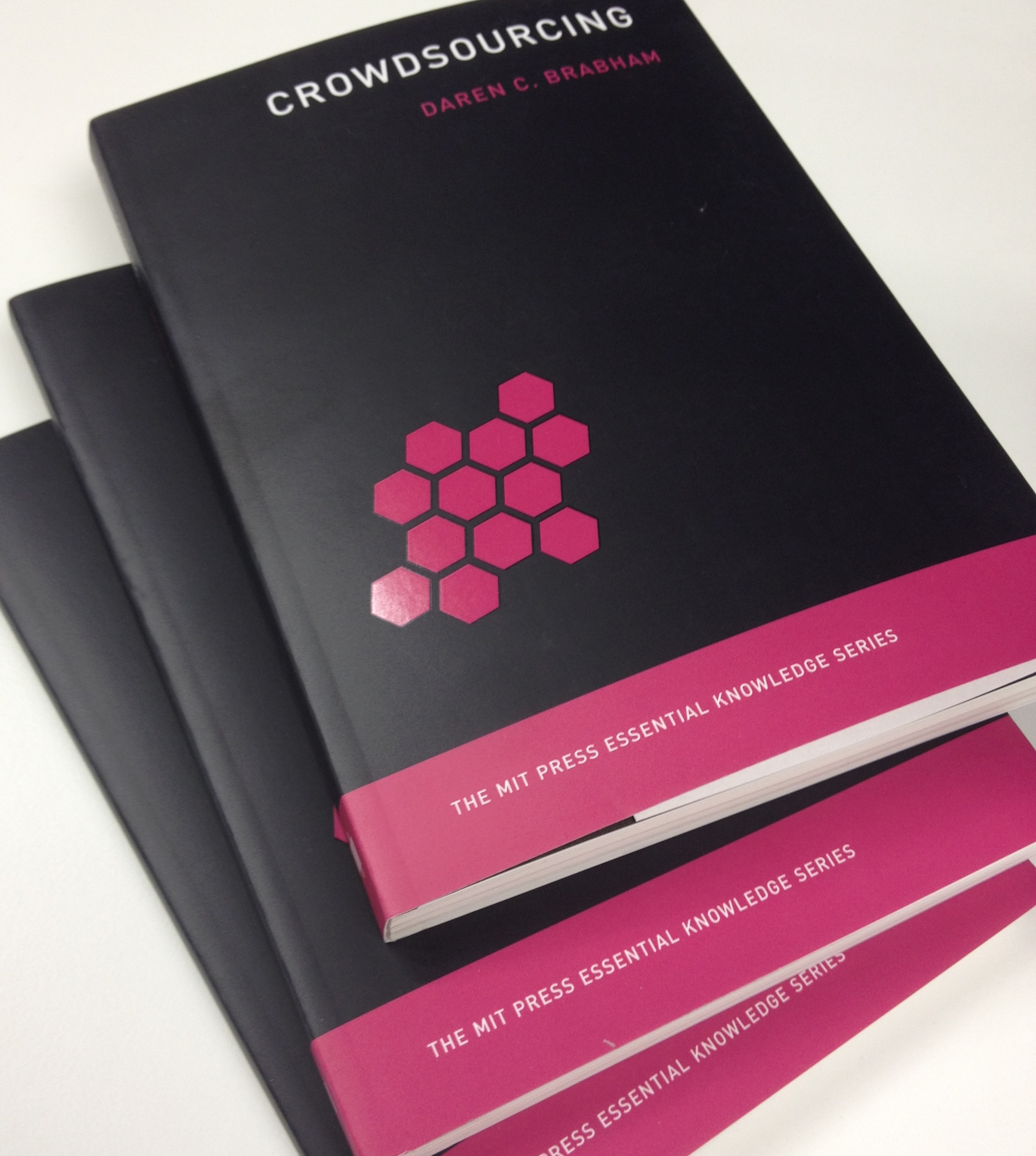
@DBrabham’s “Crowdsourcing” Book

daren-brabham-crowdsourcing-books-photoSince Jeff Howe’s article (2006) and book (2008) on crowdsourcing, journalists and researchers have widely been using the term. In every article I read, from blog posts to academic writings, Howe is always given as a reference. The fact that most people relied on a magazine article and a business book gave birth to a variety of conflicting definitions of crowdsourcing (with or without Wikipedia, Linux, or YouTube) which made it really hard to understand for the layperson who didn’t have time to make her/his own opinion.

But one researcher, who wrote his doctoral dissertation about crowdsourcing, provided a clear definition from the start (which was as early as 2008): Daren Brabham. assistant professor in the School of Journalism & Mass Communication at the University of North Carolina at Chapel Hill.  He just wrote a book, simply called Crowdsourcing, published in MIT Press’ Essential Knowledge Series, about what crowdsourcing is, and what it isn’t. I hope it will be used next to Howe’s article (2006) and book (2008) in forthcoming writings about crowdsourcing, because it clearly dots the i’s.

Continue reading →