The Shazam-effect in marketing: when “push” and “pull” strategies become obsolete

shazamization

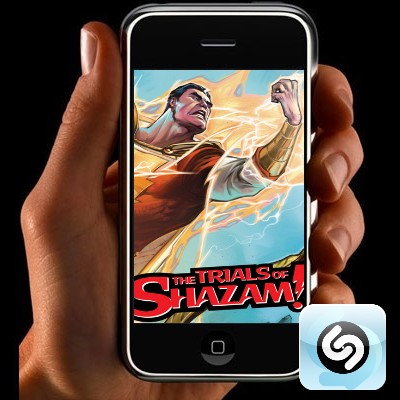
Before turning into a super-hero, Captain Marvel pronounced the magic word "shazam" (which stands for Salomon, Hercules, Atlas, Zeus, Achilles and Mercure)

Steve Jobs’ genius was to combine existing technologies in an innovative manner to create seamingless browsing and multimedia experiences. Now, Apple sells its hardware with a price premium for which a lot of people are willing to pay, and it will stay like this in the future. The people from Shazam revolutionized media consumption in their way too. By allowing us to tag music whenever and whereever we are (as soon as we are connected to the internet), this application is symptomatic of a shift in our consumption: it has become ubiquituous and instantaneous. That’s what two French researchers describe in a recent paper, the call it the “shazamization”. Continue reading →

One brand, different platforms (Part 1) Danone builds on geographic diversity

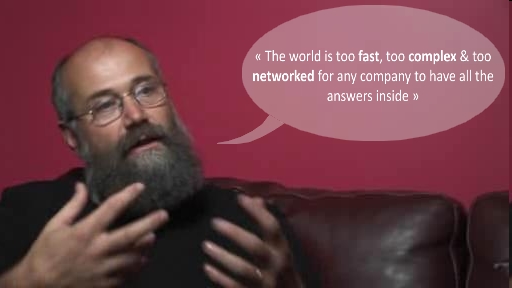
The world is too fast, complex and networked for any company to have all the answers inside

Yochai Benkler, author of The Wealth Of Networks

It is the mantra of open innovation advocates: go find outside what you’re unable to figure out by yourself. What started in the scientific field with success stories like InnoCentive or NineSigma, now spreads to product development and marketing. Companies source more and more ideas directly from consumers, with online platforms being the only intermediary, with the logical consequence of an explosion of web-based platforms. Today, distinctive positionings emerge within this new competitive landscape (which is a situation of healthy competition, I think) and brands don’t hesitate to leverage different platforms for different purposes.

This series of posts sheds light on a couple of brands that use that platforms’ in a complementary manner. This week, I take a look at Danone, for which I identified three different co-creation platforms.

logo-big

Continue reading →

Crowdtap’s Brand Influence metric: my questions

puma-head

Few people will commit to a brand like this little boy... but how to measure brand influence?


I am a passionate reader of FastCompany.com and its design pendant FastCoDesign.com (and I advise you to have a look at it, very inspiring!). Right after publishing a blog post the difficulty of classifying crowdsourcing actors, in which I placed CrowdTap as an example of good measurement/metrics, Fast Company published an article about their last innovation: the Brand Influence Metric. Brand Influence (“the cross-channel metric for marketing impact“) measures the power of any marketing action to impact consumers’ advocacy of the client’s brand and willingness to purchase its products. Does this metric usher a new era for marketing metrics or is it a proprietary metric with limited broad impact? Some questions…

Continue reading →

Why classifying the actors of crowdsourcing is so difficult

crowdsourcing_infographic

Click on the image to download a large version

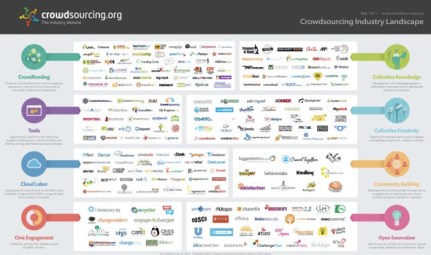
A couple of months ago, the website crowdsourcing.org released a neat infographic called the 2011 Crowdsourcing Industry Landscape. It gathers various websites and companies which leverage crowdsourcing as a business model. This post is not about discussing whether crowdsourcing is an industry or a work process, I just want to clarify this taxonomy, based on other sources and my humble experience. Continue reading →

Crazy presentation about augmented research !

This presentation by Face‘s Director of Research Francesco d’Orazio kicks ass ! Several things make me say that : the pitch “Plugging brands into the fabric of society” is completely in line with the concept of societing that I’ve discovered recently, which basically recommends brands to propose themselves to society instead of imposing themselves to markets. In the future, we’ll “wear data like we wear clothes“, and this massive amount of data represents a tremendous opportunity for those who will be able to harness and analyze it !

+ it’s a beautifully designed presentation and… the main example is bikes !

eYeka, ou comment créer directement avec les marques

logo

Avant de vous souhaiter une bonne année 2011, je tiens à annoncer que je vais effectuer mon stage de fin d’études en tant que stagiaire chez eYeka, la plus grande communauté mondiale dédiée à la co-création. J’y intègrerai le département Sales Marketing – mais qu’est-ce que la co-création ? “La co-création consiste, pour une entreprise, à développer des produits ou services en collaboration active avec ses clients et ce, de façon durable“, nous dit Wikipedia. Continue reading →

Le GPS, l’iPod ou la capsule Nespresso… ces Nouvelles Mythologies de notre époque

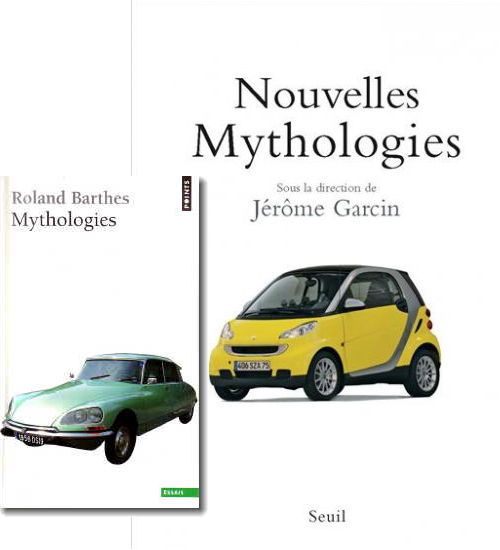
couvertures-livresEn 1957 paraissait, à la même maison d’édition (Seuil), le désormais célèbre Mythologies de Roland Barthès. Ce livre décrivait en 53 brillantes chroniques les mythes des années cinquante: de l’Abbé Pierre au Tour de France, en passant par la Citroën DS. Cinquante années plus tard, Jérôme Garcin entreprit d’actualiser le recueil en faisant appel à des personnalités comme Patrick Poivre d’Arvor, Jacques Attali ou Marc Augé (qui écrivent respectivement sur la mort de l’Abbé Pierre, les 35 heures et le JT de vingt heures). En bon jeune homme de la génération Y, certains de ces mythes ont retenu mon attention. Quelques extraits. Continue reading →