Fighter Brands : perverted marketing ?

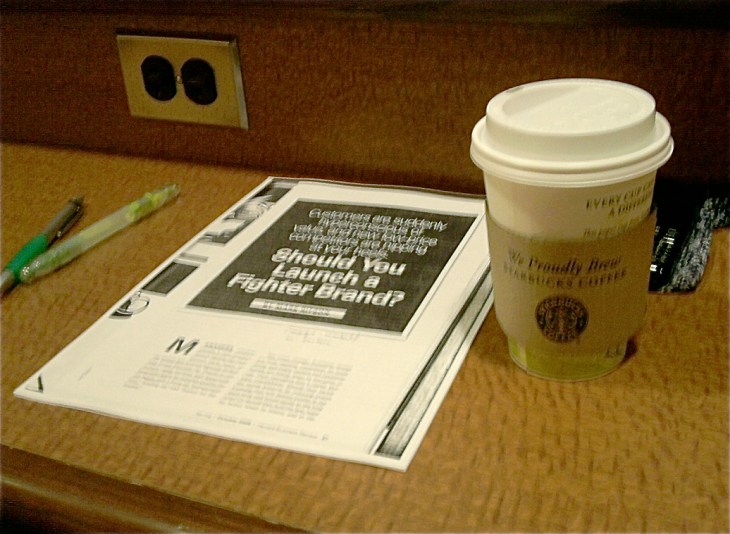
My desk today @ the UWF Starbucks

Currently studying at the University of West Florida, I’m enrolled into the Marketing Strategy course from Dr. Keller one a subject we’ll discuss is the concept of Fighter Brands (or Finghting Brands). In Should You Launch A Fighter Brand?, Mark Ritson from the Melbourne Business School says that “a fighter brand is designed to combat, and ideally eliminate, low-price competitors while protecting an organization’s premium-price offerings” (it is therefore different  than the “marque combat” as defined by the Georges Chétochine). Successfull fighter brands are examples such as Busch Bavarian beer, Intel Celeron processors, Logan by Renault etc.
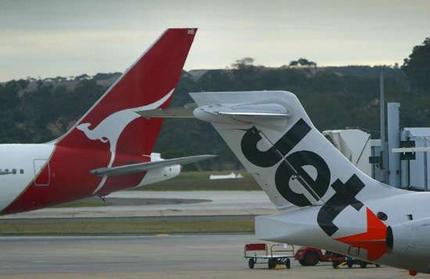
Qantas launched Jetstar, the "perfect fighter brand" according to Mark Ritson (Picture retrieved from the Sydney Morning Herald website : http://www.smh.com.au)

Different evolutions may explain the emergence of fighter brands : the growing market share of private labels, the trends of low-cost products, the infidelity of customers, their ever-changing expectations or simply the current economic crisis… At school we attented a presentation of the French research and survey organization CREDOC in which we were told that the French’s appreciation of low-priced products compared to branded products sank in 2009. Even if sales of private labels now reaches 34% of the supermarkets’ sales in France, brands’ products are still perceived better quality. This shows that consumers still trust brands and value their products, but may don’t necessarily ask for premium products (anymore) : an insoluble equation ?

No, they launch their fighter brands ! This post from another wordpress-blog (lowcostattitude, in French) gives some example of “popular products” launched by Nestlé, Danone &co. As our CEDOC-lecturer told us in his presentation too, we can see that the middle of the product ranges are deserted in favor of premium and low-cost products, using the hourglass-analogy. Brands have to keep customers tempted by low-cost and/or private label products as well as recuperate those who already deserted… but it’s far more complicated than that : Will it cannibalize the other brand’s portofolio’s products ? What should I highlight in the new alternative that I offer ? Will customers be lost ? How much does it cost to launch a fighter brand ?
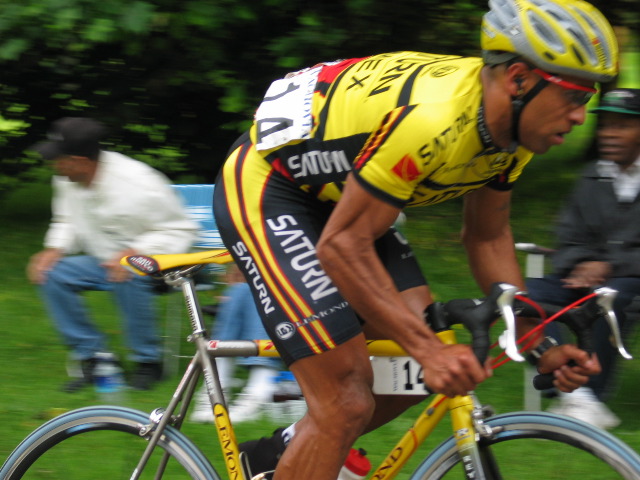
Saturn cars' sales pulled up immediately in 1990... but GM's company -who was a long-time sponsor of cycling : here's Ivan Dominguez riding for Saturn-Timex in 2003- was a financial disaster. (Picture retrieved from dailypeloton.com)

One example is the automotive brand Saturn, launched by General Motors in 1985 to counter the Asian competition making affordable and practical, fuel-efficient cars. As described by Mark Ritson in his article published on October 2009 in the Harvard Business Review, the cars “proved an immediate success and quickly achieved the highest repurchase rates and customer satisfaction scores in the industry“. The cars were cheaper than GM’s products… but were far too expensive to actuallty produce. Very high develoment costs, an expensive production plant, dedicated dealer-network and an independent marketing & branding budget : the business model simply wasn’t profitable !By 2000, despite continuing sales success, Saturn was losing $3,000 for every car it sold“, says professor Ritson in his article. General Motors eventually reformed the whole brand, amongst which was the higher integration of the brand into GM, “and then sales dropped off“. The current crisis, striking GM as hard as the other Big Three, will lead to the definitive shut down of Saturn by October 2010. Renault is doing better with it’s Logan brand…

Why perverted marketing ?

As my Marketing Management book states : “the marketing concept means that an organization should seek to make a profit by serving the needs of customer groups“. Therefore, marketing originates with the unfulfilled need of customers to offer them a product which suits their expectations (eventually the company will promote the product, measure the ROI etc.). Fighter brands emerge from the success of (or the threat posed by) a competitor to which a company creates an alternative offer. In other words : it has a product-oriented vision, dazzled by someone else’s success to push a product in the market. That’s not marketing. And that’s why some companies fail in that strategy ; Kodak launched Funtime, a cheap alternative to its Gold Plus film aimed to counter Fujicolor’s Super G film, but Funtime’s sales cannibalized Gold Plus more than it damaged Super G. Kodak eventually withdrew the product. Jetstar is an example of a successful fighter brand : deep analysis of the market allowed them to create a concept aligned with the customers’ needs.
If you are interested in the subject and seek a deeper insight, read Mark Ritson’s article in HBR. Highly interesting !
Cycleurope refreshes traditional brands Gitane & Peugeot

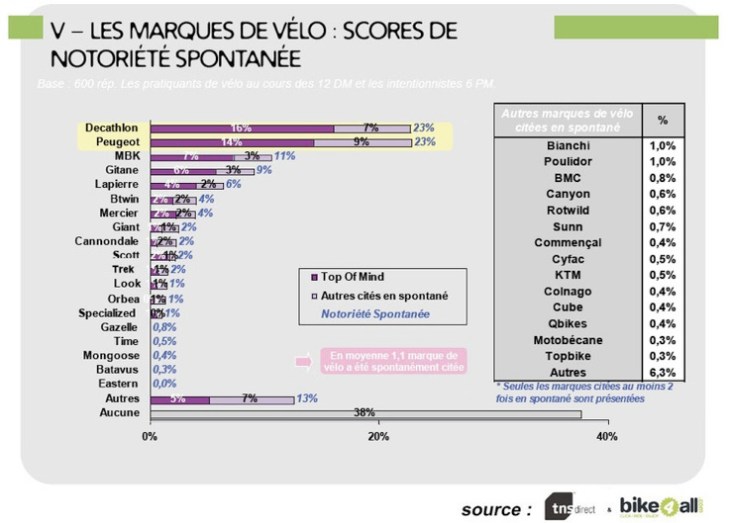
As a survey led in 2008 by TNSDirect for bike4all.com, and related by B2BIKE.com, shows, bicycle brands like Peugeot and Gitane are (still) top-of-mind brands in France. Although these brands stopped selling bikes for several years now, these “traditional” names are quoted by a lot of Frenchmen, one of the reasons might be that Poulidor, Mercier and even Gitane-bikes are sold at very cheap prices in French supermarkets.


Retrieved from B2BIKE.com on January 11th 2009


As the previous histogram shows, brands which don’t exist anymore are very often quoted by the interviewees : Decathlon nowadays sells bikes under the brands B’twin (6th position) and Rockrider (not quoted), Peugeot has marginal bicycle sales and is distributed by about 40 authorized Peugeot-dealers, Gitane and Mercier are currently cheap supermarket bikes and Motobecane doesn’t exist since 1984 at all (the brand MBK survived to Motobécane’s bankruptcy and as a fair spontaneous notoriety).

Even though it reveals that the French bicycle market offers a huge number of brands and that consumers seem to be lost within that abundant offer, Cycleurope tackles this issue in a quite courageous way : they bet on the revival of these brands ! Strengthened by the notoriety of Gitane and Peugeot, and fairly aware of the asset that it represents, the Grimaldi Group (owner of Cycleurope, which already runs brands like Bianchi and Monark) decide to take the plunge and awake Gitane and Peugeot (at the request of Peugeot Cars HQs). The existing Gitane range will indeed be expanded with a top-of-the-range brand called Definitive Gitane, and Peugeot will extent its distribution network and eventually launch a Peugeot e-Bike.


velo

"The One" bike that Definitive Gitane provides to the Saur-Sojasun team. Gorgeous. (photo from http://www.saur-sojasun.com/goodies.php)


To give credit to Gitane’s revival, Cycleurope Industries developped an additional  range of high-performance bikes that meet the competitor’s expectations : cross-country hardtrails and fullies in the MTB-segment, a small range of road bikes topped by “The One“, on which the pro-riders from Saur-Sojasun will compete in 2010. Smaller partnerships were announced like  the creation of the French Team ASPTT Definitive Gitane on the national MTB stage.


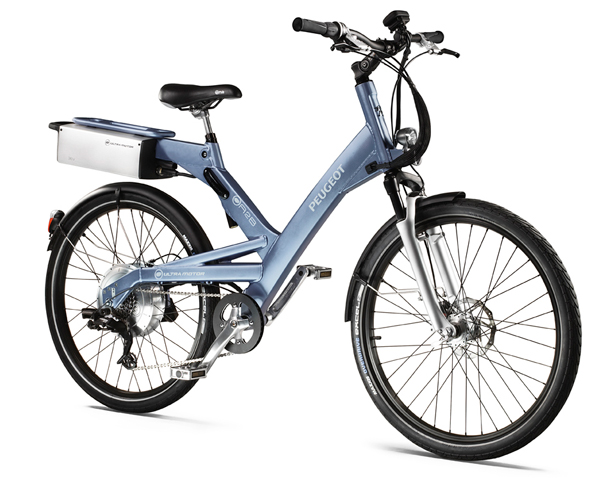
The Peugeot A2B hybrid bike (in blue) developped with Ultra Motor (about 2300€). Retrieved on January 11th 2009 from jepedale.com


Peugeot bikes (the car manufacturer recently unveiled a new logo) will be manufactured in the French factory of Romilly/Seine and will be sold by Cycleurope, as Toni Grimaldi told Bike Europe a couple of days ago at the official launch of Peugeot Bikes, and they will be distributed both in Cycleurope’s dealer-network (France and abroad) and via Peugeot car dealers, although I guess that’s not the distribution channel that brings them the highest number of sales… The range will include a road racer, a mountainbike, a hybrid/trekking and a city bike which will all be painted black&white. As Peugeot now pushes into the market of electric vehicles, they announced the development of an e-Bike with the Amercians from Ultra Motor.

The move is courageous but clever : two brands with a very high awareness among – at least France’s – cyclists make a credible comeback on the front stage. I’ll certainly be watching the Definitive Gitane bikes on the roads at pro races, Peugeot may gain significant market share by flooding Velo & Oxygen-stores in France and Peugeot-dealers worldwide with their tiny bicycle range. Good luck !

Du rôle du design dans le marketing…

ball-chair-eero-aarnio-jpg

Pour créer de la valeur aujourd’hui, il ne suffit plus d’apposer un logo connu sur un produit, ni même de concevoir un beau produit, il faut générer des émotions (voir ce billet sur le livre de Georges Chétochine). Pour ce faire, les marketers ont inventé différents dispositifs et outils qui permettent de surprendre et d’impliquer le client. La Brioche Dorée, fondée par Louis Le Duff, a été une des premières enseignes à utiliser des diffuseurs d’odeurs devant ses magasins ; c’est du marketing sensoriel. Dans son livre sur le storytelling, Christian Salmon prend l’exemple d’Enron qui a “encensé” ses actionnaires, employés etc. pour faire croire à son succès ; le storytelling est une autre technique très en vogue, notamment en marketing. Un autre moyen de créer un lien émotionnel est (tout simplement) de concevoir de beaux produits, qui soient compris par les clients : c’est le rôle du design.

Il faut donc trouver de nouvelles manières de créer de la valeur autour de ses produits. Nicolas Minvielle, professeur à Audencia Nantes, parle dans un article de Marketing Grandes Ecoles (septembre 2009) de “stratégies de ré-enchantement, (dans lesquelles) certains designers peuvent jouer un rôle fondamental“. Les marques doivent donc habilement s’associer à des designers qui, d’une certaine manière, “cautionnent” la marque, prennent position pour elle en s’adressant au client final. En s’appuyant sur les explications de Philippe Starck concernant son design de la Moto d’Aprilia, N. Minvielle n’hésite pas de parler d'”instance validatrice” au sujet des designers.

ora-ito-heineken-jpg

En s’associant à un designer de renom, et en lui laissant cette liberté d’expression, la marque prend un certain risque. Par définition, ce type de démarche est d’aboutir à quelque-chose de fondamentalement différent de ce que propose l’entreprise, c’est là où le designer a la plus grande responsabilité. Il doit expliquer sa démarche, puisque c’est son discours qui lui permet d’attribuer au produit des valeurs symboliques, ces valeurs qui se reportent automatiquement sur la marque qui fait appel à lui. en même temps, c’est bien là que réside le bénéfice de l’opération : “attribuer au produit (…) des valeurs symboliques que la marque aurait des difficultés à justifier de manière solitaire ou à travers ses attributs courants (logos, produits, publicités etc.)“.

Cela témoigne-t-il d’un manque d’inspiration de la part de l’entreprise ? Sont-elles alors à court d’idées ? Peut-être, puisque les récits (Nicolas Minvielle a intitulé son article “(Certains) designers sont des conteurs”, et parle de “designers-conteurs“) peuvent-être considérés comme des “mythes compensateurs, qui ont pour fonction de rassurer“. Ces termes sont extraits d’un ouvrage du critique littéraire Paul Lidsky, cette référence montre que le storytelling est une technique qui a sa place en marketing. Est-ce de l’ensorcellement, de l’enchantement, de la manipulation ? Dans la même revue, Djamchid Assadi de l’ESC Dijon affirme que le storytelling comporte une part d’ensorcellement : “la communication est elle-même une manipulation ! On émet un message pour avoir quelques effets sur son interlocuteur“.

Le marketing et le design ont donc la même finalité : plaire au client. Les techniques sont cependant différentes, ce qui peut mener à des incompréhensions. Le design en tant que “pratique extrêmement qualitative” doit pouvoir s’imposer face à “l’approche quantitative “dure” de certaines branches du marketing“. Une manifestation de cette différence d’approche est que le design est très accessible, tout le monde s’estime alors apte à juger un dessin, peu de personnes peuvent apprécier la politique marketing d’une société… Une des erreurs les plus courantes est, selon Nicolas Minvielle, l’emploi du mot “design” en tant qu’adjectif. Cela est sans doute lié à la banalisation du style minimaliste et épuré. Evidemment, le design “existe bien au-delà de certains styles spécifiques“, le retour de l’ornement et de certaines pratiques héritées des Arts Décoratifs le prouvent très bien.

tord-boontje-ornements-jpg

Le design est une démarche, dont l’objectif est de la réelle plus-value est, selon l’auteur, la transformation, le “questionnement du dessein de l’entreprise“. Le marketing, quant à lui, a pour rôle de formuler concrètement ce dessein. La difficulté dans la collaboration design/marketing est sans doute de trouver un terrain d’entente entre les contraintes imposées par le marketing (l’ADN du produit par exemple) et les innovations d’usage proposées par le design. La forme et la fonction ne sont plus séparées, le designer doit comprendre le client-utilisateur et ses besoins pour créer un produit qui répond à un besoin existant ou inexistant. Autrement dit : la “traduction d’un dessein au travers d’un dessin“.

Le “monde de marque” d’Apple selon Lionel Sitz

lionel-sitz-jpeg

Professeur à l’EM Lyon, dont nous avons déjà abordé sa vision du cultural branding dans un précédent article du blog, Lionel Sitz prend l’exemple d’une grande marque d’aujourd’hui (Apple) pour introduire un nouveau concept : le monde de marque. Dans le n°52 de la revue Décisions Marketing (octobre-décembre 2008), l’enseignant-chercheur, dont la thèse portait sur le rôle des membres centraux dans l’émergence d’une communauté de marque, se penche sur les dimensions culturelles ET sociales d’une marque, dimensions que les approches marketing actuelles ne prennent pas assez en compte. L’exemple d’Apple fournit des exemples particulièrement intéressants.

Conformément à la structure de l’article de M. Sitz, nous allons d’abord de l’entreprise et de son environnement, avant de parler de la notion centrale que l’article introduit, le monde de marque, marque dont le professeur de marketing a suivi l’environnement français. Son travail a effectivement été conduit selon les méthodes d’un ethnographe (“suivre les acteurs dans leurs contextes d’interaction“), plus précisément avec des observations et des entretiens non directifs, qui permettent aux interrogés de s’exprimer plus librement. Que ce soient des membres de réseaux sociaux, des visiteurs de l’AppleExpo ou des informaticiens attachés à la marque californienne, divers avis ont étés recueillis.

apple-user-group-logo-png

Ainsi, il n’existe pas un seul groupe réuni autour de la marque à la pomme, mais une “pluralité de collectifs qui coexistent et sont liés de différentes manières“, les moyens de communication modernes leur permettant d’être actifs dans plusieurs collectifs en même temps. Il ont tous en commun une certaine fidélité à la marque Apple, mais cet attachement n’est pas le même pour tous les passionnés. C’est cette hétérogénéité qui rend le travail des marketers particulièrement difficile, et c’est pour cela que Lionel Sitz introduit la notion de monde de marque : un “monde social qui rassemble un ensemble d’acteurs participant à la constitution d’objets culturels“. Ce n’est pas pour rien que nous faisons de la sociologie dans notre M1 Expertise Marketing à l’ESSCA : cette discipline est très liée au marketing, des concepts comme le marketing tribal le montrent bien.

L’univers d’Apple rassemble effectivement de nombreux codes culturels propres aux groupes sociaux. Les événements historiques (MacWorld, l’AppleExpo jusqu’en 2008), les symboles (logo, produits), les artefacts (invitations, badges d’entrée), les gourous (Steve Jobs, Steve Wozniak, Jonathan Ive) et même des plaisanteries communes font naître une hyperfidélité à la marque. Cette relation particulière est également mise en évidence pas le “champ sémantique de la passion“, qui est très présent dans les données qu’a recueilli le chercheur français. A ce sujet, vous pouvez lire ce billet du blog, qui présente une méthode scientifique d’analyse du champ sémantique d’une marque.

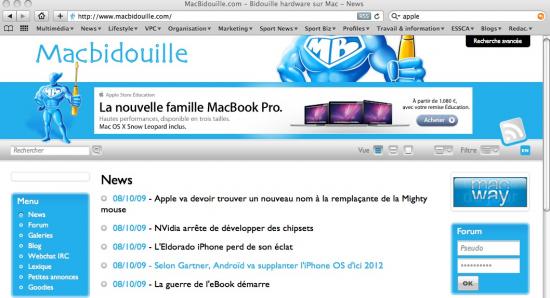
macbidouille-jpg

MacBidouille.com, un des 5 groupes étudiés par Lionel Sitz

Bien entendu, internet est le principal médium d’interaction entre les acteurs de ces groupes, dont MacBidouille n’est qu’un des nombreux exemples. Les rencontres physiques, ou événements de marque, permettent de “rassembles les consommateurs et de (…) rencontrer des représentants de la marque“. Le rôle des marketers (d’Apple, dans ce cas) est donc, selon Lionel Sitz d'”entretenir la dynamique sociale“, tant au sein des collectifs qu’entre ces collectifs. Cela peut paraître simple et facile, mais cette relation particulière de consommateurs à la marque “relève de contrat implicite“, il y a comme un engagement réciproque. Lorsque le gourou Steve Jobs n’apparaît pas à l’Apple Expo, voire à la MacWorld, les fidèles sont déçus. Lorsqu’ils ressentent un certain désintérêt de l’entreprise pour les rassemblements, ils le vivent comme une trahison. Ces clients sont plus exigeants !

L’émergence de cette culture trouve essentiellement sa source dans la “sous-culture de consommation informatique“. Ce n’est un secret pour personne que le rejet d’IBM et de Microsoft est un facteur de cohésion (“fidélité par opposition“) au sein des Apple User Groups et plus largement des fan de la marque à la pomme, et ce rejet est aussi un des principaux arguments pour promouvoir les produits de la marque. Comme le dit un des membres de communauté d’utilisateurs cité dans l’article de Lionel Sitz, “les geeks préféraient Apple parce que c’est synonyme de liberté“, et c’est l’association d’une hyperfidélité avec le rejet d’ennemis qui caractérise les collectifs d’Apple.

apple-store-jpg

Pour revenir sur un concept sociologique : les collectifs comme ceux qui s’articulent autour d’Apple s’apparentent à des “tribus postmodernes“, où l’identification de l’individu au groupe est essentiel. Le tribalisme postmoderne est de plus caractérisé par la “fluidité et les rassemblements ponctuels“. Ces rassemblements, les événements de marque par exemple, et cette fluidité, dont les réseaux sociaux sont une des manifestations, sont sans aucun doute des dispositifs marketing particulièrement adaptés à ces ces marques dont la différenciation réside dans la “capacité à fournir des ressources culturelles et identitaires pertinentes” (voir le cultural branding). La pérennité d’une marque réside dans sa capacité d’adaptation dans un environnement de moins en moins contrôlable. La stabilité d’un monde de marque, elle, repose “sur la fluidité des acteurs qui le composent“.

C’est le concept que Lionel Sitz introduit par son article, déjà évoqué ci-dessus : le monde de marque. Cette notion dépasse le simple espace culturel occupé par une marque, ou brandscape, puisqu’elle intègre les dynamiques sociales des individus et des collectifs. Même si ces acteurs sont parfois dispersés, des occasions spéciales et ponctuelles leurs permettent de se rencontrer et de “rythmer les activités collectives“. C’est un “espace de coordination de multiples parties prenantes autour d’une même marque“, parties prenantes qui créent des connections pour pouvoir communiquer.

Researchers develop a tool to track brand reputation on the web

(Picture : thetrendwatch.com)-jpg

The article is taken from the Journal of Retailing 85 (2, 2009, pages 145 to 158). The initial problem is pointed by the authors (Praveen Aggarwal and Rajiv Vaidyanathan from the University of Minnesota and Alladi Venkatesh from the University of California) is that with the wast amount of information available on the internet, there is no scientific method to analyse a brand’s reputation, based on what people (bloggers, reveiwers, retailers etc.) say about it. In this article called “Using Lexical Semantic Analysis to Derive Online Brand Positions : An Application to Retail Marketing Research”, the three researchers propose a “simple-to-use method that managers can utilize to assess their brand’s positionning“. More after the break.

Praveen Aggarval is PhD at the Marketing Department of the University of Minnestota (Labovitz School of Business & Economics, named after Joel Labovitz, businessman and patron from Duluth, MN), and Rajiv Vaidyanathan is Marketing Professor in the very same business school. Together with Alladi Venkatesh, Professor of Management and IT-expert from the University of California in Irvine, they stated the following problem : how can a product manager monitor, in a scientific way and based on the web content, the positioning of a brand?

Positioning a brand is, in marketing, the process of creating an identity and an image to a particular product or brand in order to differenciate it from its competitors. As we said in a previous article about the evolution of the brand-customer relationship, the web plays an increasing role in todays marketing, but this implies certain risks, which can be contra-productive. Without saying that product managers are losing control of their brands and products, they certainly have to deal with the multiplication of information sources about their products : blogs, customer reviews, retailer comments, comparative websites, tests etc. The retail industry is particularly competitive, that’s why branding is absolutely essential for managers (national brands as well as private brands).

In order to overcome these difficulties, the three specialists based their method on the semantic web (Berners-Lee, Hendler & Lassila 2001 ; Leuf 2006). Even if computers can’t understand text information, an analysis of the co-occurence of an adjective and a noun (brand, product) clearly give an insight of the web-users’ perception. To that extent, “the goal is to get a sense of the evaluation of brands in subjective sentences (…) by examining the association between the brand and various carefully selected adjectives or descriptors“. The aim therefore is to draw conclusions about the “brand’s online persona” based on a brand name + a certain adjective + a context.

google-einstein-gif

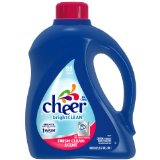
To get the results, the three researchers basically used a beta version of Google’s API (Application Program Interface), which can be seen as the open-source part Google’s research program. The results returned (I leave the technical details aside, but the principle is to count pages that contain the brand name, and then those that contain the brand-adjective association) allow the draw a perceptual map, where differents brands can be compared. The analysis of P&G detergents reveal, for example, that Dreft and Ivory Snow (often associated with “baby”, rarely with “power”) seem to be perceived differently than Bold andEra (opposite results). The exception is the brand Cheer, to which both word are often associated. For Cheer and Era, we can note that the can design is identical, only te colour and the marketing “message” changes (typography, slogan etc.), which is apparently sufficient to differentiate the product images.

cheer-packshot-jpg

era-packshot-jpeg

Further analysis is possible, for example on perfumes. The marketing researchers chose this particular product because of the importance of image and brand personality, “carefully crafted by marketers to position brands in a competitive marketplace“. Here, they point out the marketing efforts of brand managers. The method is particularly usefull for these marketers because of the “longitudinal analysis of a brand’s personality” that such monitoring permits. The conclusion states that their method does not account for negative qualifiers, what is quite suprising. I indeed wonder how such a study can be conducted if the tool does not differentiate “reliable”, “somewhat reliable” and “not reliable” ! But the authors ensure that “previous research has shown that the effects (of the polarity of the statements) are marginal (Pang et al. 2002)“. Very surprising…

Anyway, the method that the researchers developped enables marketing executives to track the positionning of their brands, particularly taking into consideration the dynamic nature of the web. In a moving environment, longitudinal tracking seems to become more and more important, and consumer understanding can be improved. Coped with consumer interaction, these means are strategic tools for web-based marketing.

Sind das die globalen Leader von Morgen ?

ratantatapa-jpg

Das Ranking der Consulting-Firma Interbrand wurde heute veröffentlicht, und die Presse hat die Ergebnisse schnell verbreitet. Wie erwartet angelt sich Coca-Cola den ersten Platz, und in den Top-Ten sind nur zwei Unternehmen in einem anderen Land ansässig : Nokia aus Finnland (5.) und Toyota aus Japan (8.). Doch wenn mann den Best Global Brands 2009 Bericht ganz lieβt, findet sich ein Haufen anderer Informationen. Keines der 100 aufgelisteten Firmen stammt aus einem Entwicklungsland, dies könnte sich aber sehr bald ändern : Interbrand beugt sich auf einige Giganten, die Morgen vielleicht ganz oben stehen…

Im Teil “Tomorrow’s Brand Leaders, Up-and-coming global brands” zählt Jonathan Chajet einige Firmen auf, die heute auf ihren Märkten schon führend sind, es aber in einigen Jahren weltweit sein könnten. Diese Märkte (ich habe sie gerade “Entwicklungländer” gennant) sind die heiβ umkämpften Märkte China, Indien, Russland, Südafrika und Brasilien. Der Autor, Manager bei Interbrand China, nennt jeweils drei Unternehmen, die  sind :

CHINA

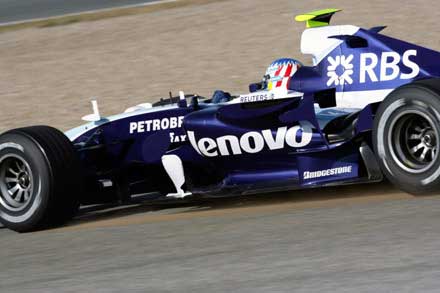
  • Lenovo : einer der führenden PC-Hersteller, der heute vorallem für die Übername der PC-Sparte von IBM, im Dezember 2004, bekannt ist. Der Chinesische Staat ist mit 15% Hauptaktionnär, und möchte aus dem Unternehmen einen gmlobalen Leader machen. Der Sport ist einer der Werbeträger : Olympische Fackel der Spiele 2008, Formel 1 oder NBA (und WNBA) steigern die Bekanntheit von Lenovo.
  • Haier : weltweit dritter Hersteller von weiβen Haushaltsgeräten. Nach dem chinesischen Markt hat sich Haier auf dem amerikanischen Markt behaupten können, vorallem in Nischenmärkten mit Fokus auf Studenten und Hausfrauen, u.a. durch tiefe Preise. Heute ist Haier ein breit aufgestelltes Unternehmen, und wartet darauf durch groβe Acquisitionen noch weiter zu wachsen.
  • Tsingtao Beer : die Top-of-Mind-Marke bei chinesischem Bier. Weltweit hat das von deutschen Siedlern erfundene Bier einen sehr hohen Bekanntheitsgrad. Durch einen agressiven Vertrieb, globalem Marketing und strategischen Partnerschaften (wie Anheuser-Busch) möchte Tsingtao bei “Food & Beverage” mal ganz oben mitspielen.

lenovo-drives-f1-team-jpg

INDIEN

  • Tata Group : vom Kommunikations- und Informationsgeschäft bis zum Baugewerbe, über Energieversorgung und Chimie. Ein Drittel der Einnahmen kommt von Ausserhalb Indiens. Das bekannteste Projekt stammt aus den Büros von Tata Motors : der Tata Nano, billigstes Serienfahrzeug der Welt.
  • Reliance Industries : Indiens gröβtes Privatunternehmen ist im Energie- und Materialbusiness tätig. Heute ist die Firma weltweit führend in der Herstellung von Polyestergarn und Textilfasern, sie steht auch in den Top-Ten bei Chimieprodukten.
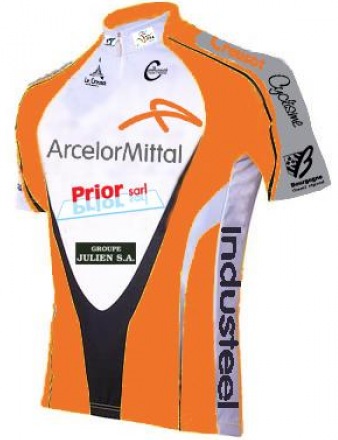
  • ArcellorMittal : durch die Übername des Franzosen Arcelor im Jahre 2006 ist der einzige globale Stahlhersteller. In 60 Ländern tätig, ist das Unternehmen, von Lakshmi Mittal angeführt, sehr auf die Wachstumsmärkte China und Indien focusiert.

creusot-cyclisme-jpg

RUSSLAND

  • Kaspersky Lab : bekannt ist das Unternehmen durch sein Gratis-Antivirusprogramm, doch die Ambitionen von Eugene Kaspersky’s Firma reichen noch weiter. Er bietet IT-Solutions für Unternehmen und Privatpersonen an, und hat Niederlassungen in Europa (Deutschland, Frankreich, GB, Schweden usw.), Asien (China, Südkorea) und der Vereinigten Staaten.
  • Aeroflot : auch wenn sie nicht mehr die gröβte der Welt ist, ist Aeroflot immernoch eine führende Fluggesellschaft. Jonathan Chajet von Interband sagt, dass der russische Marktführer durch geziehlte Investitionen auch ein seriöser Konkurrent für Air France oder die Lufthansa wird. Seit April 2006 ist Aeroflot Mitglied der Flugallianz SkyTeam.
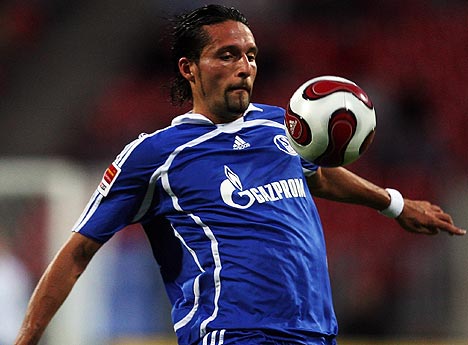
  • Gazprom : das wahrscheinlich beste Beispiel Russlands wirtschaftlischer aber auch politischer Ambitionen. Ganze 17% des weltweit verfügbaren Gases wird von dem von Alexei Miller geführten Unternehmen gewonnen. Verschiedene Tochtergesellschaften stellen für Gazprom weitere Einnahmequellen dar : Gazprom Bank, Gazprom Media, Gazprom Export usw.

kuranyi-jpg

SÜDAFRIKA

  • MTN Group : ein in Südafrika beheimatetes Kommunikationsunternehmen, welches nicht nur in Afrika aktiv ist. Auch im Nahen Osten hat Mobile Technology Networks hohe Kundenzuwächse registriert. Bei der Fuβball-WM 2010 wird MTN neben Continental, Budweiser, Castrol, Mc Donalds und Satyam (indisches IT-Unternehmen) Hauptsponsor des Turniers sein.
  • Anglo American : im Bergbau und der Rohstoffgewwinnung ist AA in 45 Ländern engagiert. Auch die Papier- und Verpackungsverarbeitung, sowie Metallveredlung sind Aktivitäten des in Johannesburger (und Londoner) Unternehmens. Der Name stammt aus der Zeit als Ernest Oppenheimer mit englischem und amerikanischem Kapital seine Firma gründete, um in Südafrika Rohstoff abzubauen.
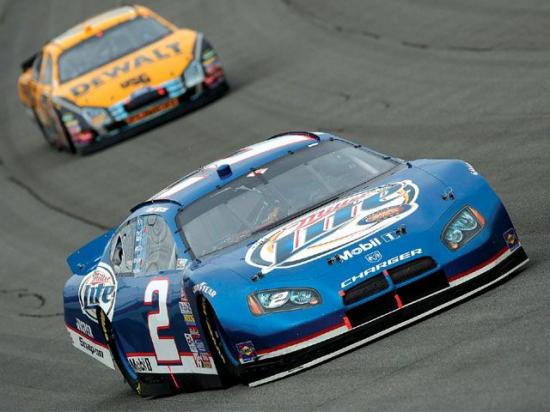
  • SABMiller : South African Breweries schloss sich 2002 der Miller Brewing Company zusammen, und ist seitdem der weltweit zweitgröβte Brauereikonzern. Über 200 Marken betreibt das Unternehmen in Asien, Amerika, Afrika und Europa. Dazu füllt SABMiller weltweit Coca-Cola-Produkte ab.

busch-miller-lite-dodge-jpg

BRASILIEN

  • Banco Itau : aus der Fusion der zwei ältesten Banken des Landes entstant das gröβte private Finanzunternehmen Brasiliens. Die Bank strebt auf ihrem Heimatmarkt sowie international nach Marktanteilen im Privatbanking und Finanzservice für Unternehmen und Privatpersonen.
  • Vale : das Bergbauunternehmen sitzt in Rio de Janeiro, und leistet in Brasilien auch verschiedene Dienstleistungen : Zugverkehr, Seefahrt, Logistik usw. Ende 2007 wurde entschlossen, den Markennahmen Vale bei allen Aktivitäten der Gruppe durchzusetzen, um die internationale Entwicklungsstrategie zu unterstützen.
  • Natura Cosmeticos : die brasilianische Marktführer betreibt verschiedene Marken, die im Direktvertrieb durch mehr als 700,000 Verkäufer in ganz Brasilien angeboten werden. Besonders stolz ist Natura auf sein soziales und umweltfreundliches Engagement, dass ihnen vielleicht ermöglicht hat, die Krise bis jetzt gut zu überstehen.

kaka-cbf-treino-azul-jpg

Einige dieser Marken sind schon sehr bekannt (Lenovo, Tata, Gazprom), doch ein Groβteil dieser 15 sind noch keine “Global Brands”, denn sie haben bei weitem nicht den Bekanntheitsgrad der 100 von Interbrand aufgelisteten Marken. Zum Beispiel kennen nur sehr wenige die Logos dieser Unternehmen, was einen wesentlichen Teil der Brand Value ausmacht. Die einzige die mir unbekannt war ist Avon (67. Platz), Kosmetikmarke aus New York, und die 5 letzten Marken des Rankings sind trotz allem sehr bekannte und geschätzte Unternehmen : LexusPumaBurberryRalph Lauren und Campbell’s.

Eines der besten Wege Brand Awareness effektiv zu steigern ist, aktives Sponsoring zu betreiben. Meiner Meinung nach sindGazprom (Fuβball mit, u.A., Schalke, Radsport mit dem Team Katiusha usw.), MTN (Fuβball-WM) und Itau (Fuβball, Sponsor der CBF) die Marken die Ihren Bekanntheitsgrad in der Zukunft am effektivsten steigern werden. Doch nicht nur Sportsponsoring ermöglicht es, als Marke wieder erkannt zu werden…