The Globalization of Nothing, George Ritzer, Pine Forge Press

book cover

Image via PineForge.com

George Ritzer, from the University of Maryland, is a well-known specialist of globalization and its effects on society. With The Globalization of Nothing 2 (second edition, a “shorter, tighter, and more focused [on] globalization” than the first edition), he writes one more book about globalization, which might be considered as tiresome – but he introduces new concepts like grobalization and the somethingnothing continuum, and provides a discerning analysis of today’s world.

“Anything that is purely local is fast disappearing from the world scene”
Continue reading →

Ce qui a été dit à la 9ème Journée de Recherche sur le E-marketing (La Sorbonne)

bâtiment

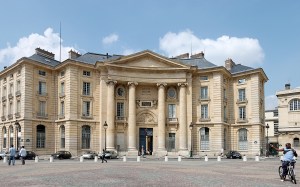
L'université Paris I Panthéon La Sorbonne

Dans le cadre du master en Web-Marketing, j’ai assisté la semaine dernière à un colloque de recherche sur le E-marketing (précédemment Journée nantaise de Recherche sur le E-marketing), organisé par le professeur Jean-François Lemoine à La Sorbonne. A l’ordre du jour, dix présentations sur divers aspects du marketing sur internet, sélectionnés par un comité scientifique composé essentiellement de professeurs de gestion de grandes écoles et universités françaises. Voici quelques conclusions présentées dans ces papiers : Continue reading →

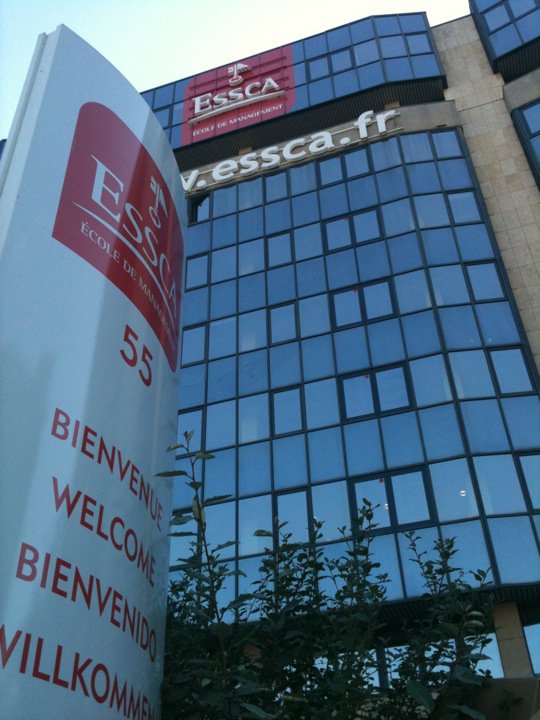
Avec le site de Boulogne-Billancourt, l’ESSCA gagnera en visibilité

Encore partiellement en travaux, le nouveau site de l’ESSCA à Boulogne-Billancourt accueillera lundi deux promotions (en plus du Master 2 Web-Marketing). Le bâtiment de 8 étages permet à l’école de doubler sa capacité d’accueil à Paris, avec environ 450 étudiants sur l’année. Dans les années futures, d’autres Masters s’installeront à Paris. Grâce à un partenariat signé avec l’ACBB par le BDS 2009, l’école aura aussi accès à diverses infrastructures de la ville de Boulogne-Billancourt.


building-front

Situé 55 quai Alphonse Le Gallo (Maire de Boulogne-Billancourt de 1944 à 1965)


Continue reading →

Entretien avec N. Minvielle sur les tendances actuelles du design en entreprise

J’ai récemment rencontré Nicolas Minvielle, responsable du MS Marketing Design & Création à Audencia (Nantes) et blogueur via La Stratégie Du Design. Nous avons parlé de divers sujets qui nous intéressent tous les deux, notamment les stratégies d’innovation par le design. Extraits : Continue reading →

Bike Expo : Designing the cycling trends of the future

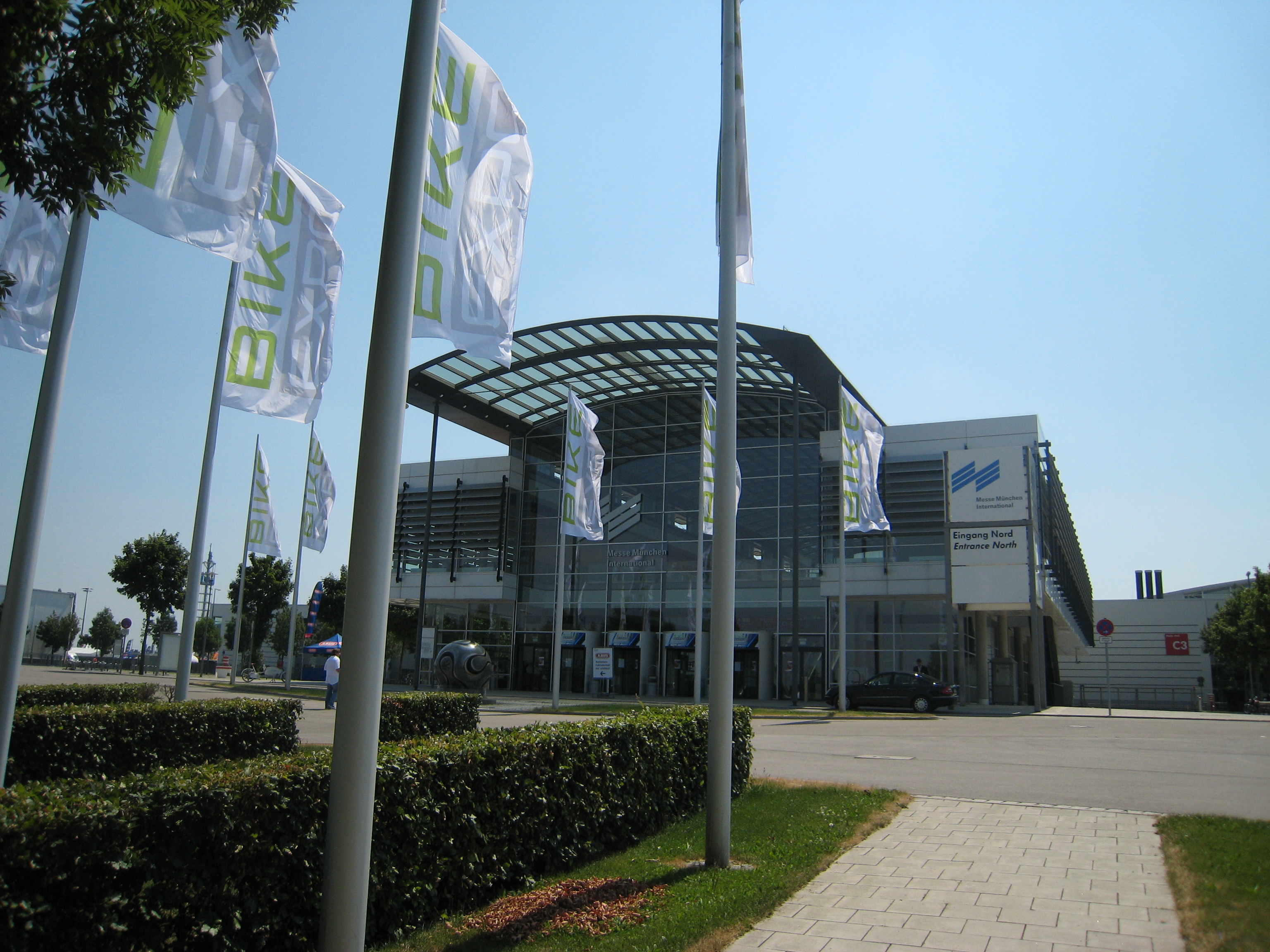
Messe-muenchen-eingang-nord

I recently went to Munich to cover the Bike Expo 2010 for a specialized website. This year, the trade fair was dubbed “Cycling Trends for City and Nature”, which reveals that the emphasis was placed on both urban mobility and nature sports. But there is one point which is particularly obvious this year : huge efforts were made in design in the bicycle industry. And we’re not (only) talking about style, but about inventing new ways of commuting on wheels. Continue reading →

“Consommer moins – consommer mieux”, débat entre J-M Pelt et Serge Papin, éd. Autrement

couverture-livre

Céline Rouden, responsable du service politique du journal La Croix, a réuni pour ce livre Serge Papin, président vendéen de la coopérative de commerçants Système U, et Jean-Marie Pelt, fondateur de l’Institut européen d’écologie. Sur une petite centaine de pages, les deux hommes aux points-de-vue a priori opposés débatent de la société, de la consommation et de l’avenir de notre modèle de société. “Ce livre d’entretiens tente d’esquisser les voies de ce qui pourrait être […] une société de l’après-consommation“, précise l’auteure dans l’introduction.

Continue reading →

Finding the Sweet Spot through customization : French bicycle manufacturer Cyfac International

black-white-logo

Source : B2Bike.com

I was recently in La Fuye, near Hommes, in the centre of France to make a factory tour of Cyfac’s facility for the specialized website B2Bike.com. Aymeric Le Brun, one of the company’s managers, kindly answered my questions and showed me around. Cyfac is one of the last brands to manufacture bicycle frames in France, and the brand’s positionning is the very high-end segment of the market. The company’s philosophy is to produce fully customized products to its customers all over the world. With about 35% of the turnover coming from outside of France, offering good quality customization (mainly over the web) is Cyfac’s biggest challenge.

Continue reading →