One brand, different platforms (part 7) – Dell is learning to harness the crowd

The world is too fast, complex and networked for any company to have all the answers inside

Yochai Benkler, author of The Wealth Of Networks

Another part of our series about brands and companies which leverage various web-platforms to co-create with consumers or other crowds. This week, it’s certainly (with Starbucks) one of the most notorious cases of co-creation: Dell Computers. The Wikipedia page of “co-creation” currently cites Dell by saying that ” Customer-facing functions such as sales or customer service were also opened up to co-creation at companies including Starbucks and Dell Computer“. But beyond co-creation, Dell is increasingly leveraging the internet to crowdsource marketing and innovation tasks. Here’s more…

round logo Continue reading →

Crowdsourcing for innovation, a visual confirmation of the trend

the-power-of-crowdsourcing

Images via smilespread.co.uk, 99designs.com and oBizmedia.com

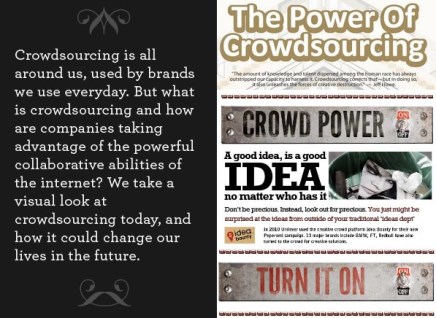
I like visualizations, as much as I like to write about the trend of crowdsourcing. Since the term is certainly overused (as in this article about an “crowdsourced” electric vehicle, which is actually the result of an innovation cluster), what do you think about getting back to some facts about crowdsourcing-platforms? I mean websites like InnoCentive, Hyve, Jovoto or Zooppa which leverage a crowd of contributors to participate in online-hosted contests. Let me share my visual perspective about 2011, a year in which crowdsourcing gained a lot of steam! Continue reading →

LEGO arrête ses efforts de co-création en ligne… pour l’instant!

video-screenshot

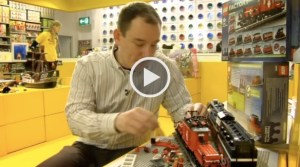
Cliquez sur l'image pour voir la vidéo sur Nouvo.ch

Via l’excellent site InternetActu, je viens de tomber sur cette vidéo sur Lego. Le reportage de 2007, appelé Lego, les geeks s’emparent de la brique, montre comment Lego s’est progressivement ouvert à la créativité des passionnés (comme Holger, 33 ans) en leur permettant d’uploader des designs personnels en Lego sur le site Lego Factory, aujourd’hui appelé DesignByMe. En créant ce site, en 2006, Lego suit la logique de longue traîne, très bien expliqué dans la vidéo… seulement voilà… Continue reading →

Für 2012 kommen meine Grüβe aus Indien!

greeting-card

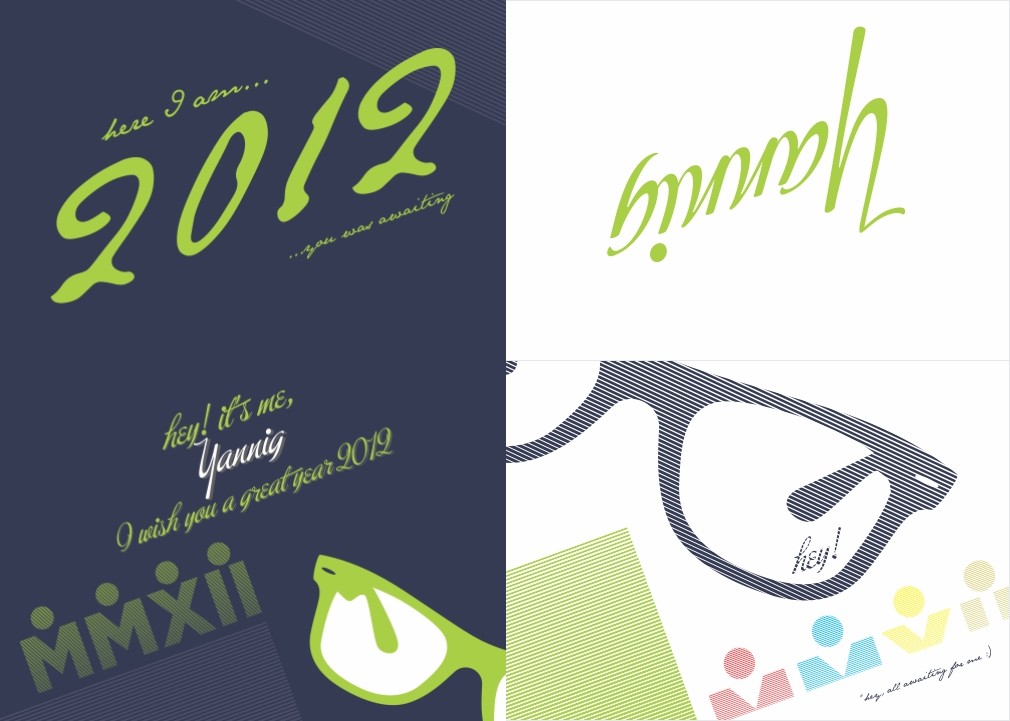
In den letzten Tagen haben einige von euch vielleicht diese Grußkarte bekommen. Es ist nicht nur ein nettes Design, die Karte stammt aber auch aus einem Kreativwettbewerb auf dem Internet. In anderen Worten: ich habe das Internet genutzt, um mir eine ganz persönliche Grußkarte gestallten zu lassen, auch “Crowdsourcing” genannt. Es gibt viele Internetseiten, die so etwas ermöglichen: 99designs (aus Australien), Creads (aus Frankreich), Crowdspring (aus den USA), 12designer (aus Deutschland), JadeMagnet (aus Indien)… Auf diesen Internetseiten nehmen Designer und Grafikdesigner, ob Profis oder Amateure, and Kreativwettbewerben teil. Eine Chinesische Seite, mit Namen Zhubajie, hat sogar so viele Teilnehmer, dass sie virtuel der größte Arbeitgeber der Welt ist, mit mehr Angestellten als die chinesische Armee oder die amerikanische Großhandelskette Walmart!

Solche kreative Wettbewerbe erfreuen sich steigender Popularität, und immer mehr Unternehmen nutzen diese Technik um an neue Ideen oder an frische Inspiration zu gelangen. Es ist ein faszinierendes Thema, mit dem ich mich über die nächsten Jahre in meiner Doktorarbeit beschäftigen werde. Was genau ist also “Crowdsourcing”?

Crowdsourcing bezeichnet die standortunabhängige Bearbeitung einer Aufgabe, die von einer undefinierten Gruppe mithilfe von Informations- und Kommunikationssystemen durchgeführt wird Continue reading →

En 2012, mes vœux de bonne année viennent d’Inde!

greeting-card

Certains d’entre vous ont peut-être reçu cette carte récemment. Le design est joli, mais cette carte est n’est pas juste un visuel: c’est le design gagnant d’un concours créatif sur internet. En d’autres mots: j’ai lancé un concours créatif sur internet, en demandant à des designers de réaliser une carte de vœux. Cette technique a un nom un peu barbare: “crowdsourcing”. Il existe divers sites internet qui se sont spécialisés dans ce type de concours: 99designs (d’origine australienne), Creads (d’origine française), Crowdspring (d’origine américaine), 12designer (d’origine allemande), JadeMagnet (d’origine indienne)… De plus en plus de designers et de graphistes du monde entier, qu’ils soient professionnels et amateurs, s’inscrivent sur ces sites pour participer à des concours. Un autre site, le site chinois Zhubajie, regroupe tellement de personnes qu’il est en théorie le plus grand employeur du monde, plus encore que l’armée chinoise ou les magasins Walmart aux Etats-Unis!

De tels sites de concours sont de plus en plus utilisés dans le monde, notamment pour demander à des créatifs de créer des prospectus, des logos, des sites internet… bref, tout type de tâches créatives. C’est un phénomène assez fascinant qui m’intéresse, c’est pourquoi j’ai commencé un doctorat sur le “crowdsourcing créatif” cette année.

Le crowdsourcing signifie l’externalisation par une organisation, via un site web, d’une activité auprès d’un grand nombre d’individus dont l’identité est le plus souvent anonyme (Lebraty, 2009) Continue reading →

A great read: Community Building on the Web

book cover

Old graphics on the book cover (the book is from 2000), but some very relevant content!

There’s a lot being said and written about communities on the web. Especially today, in the age of social networks and subscribtion-based websites… everything is communities! In a book from last year, La Communaué Illusoire, French sociologist Marc Augé argues that (1) the term “community” is overused, (2) that they are only meaningful if they’re meaningful to their members, and (3) that, rather than building communities with frontiers, we should think about building communities to encourage exchange and communication.

Anyway, web-based communities are now ubiquitous, and one of the first books that has been written about them is Community Building on the Web: Secret Strategies for Successful Online Communities (Kim, 2000). Let me share some excerpt.

Continue reading →

When co-creation is more entertainment than social product development: Quirky “reinvents the bicycle” in 24 hours


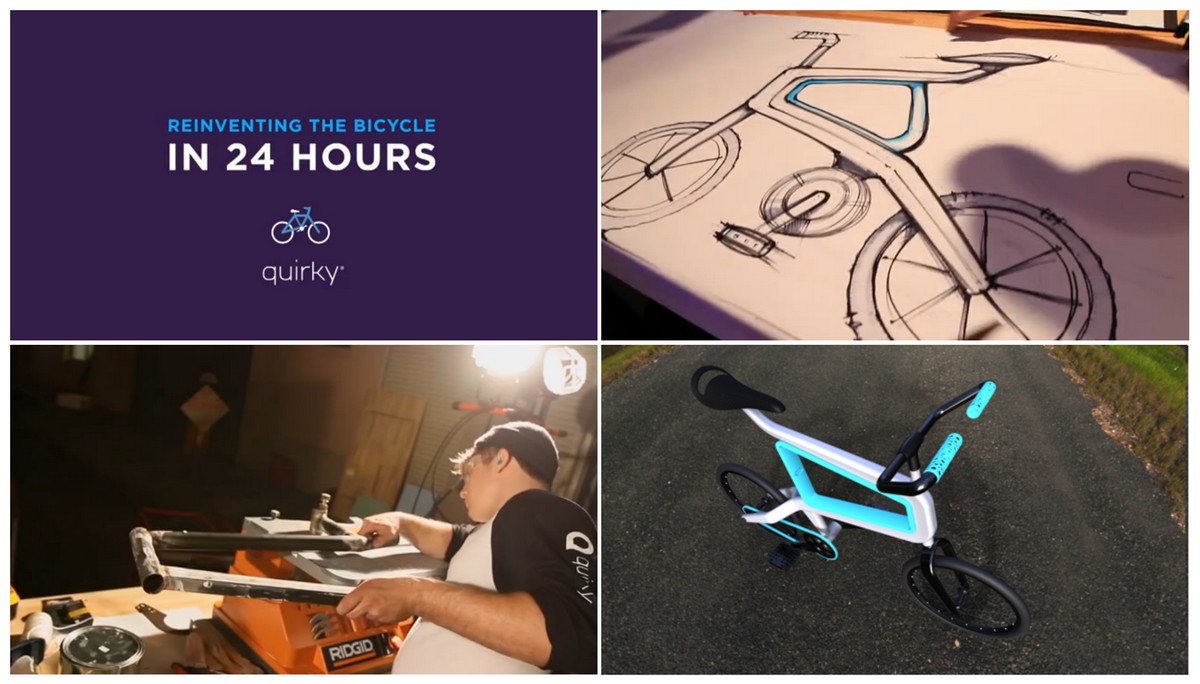
Nowadays, bikes are trendy. The industry is growing, mainly thanks to trends like eBikes and fixies, that broaden the target audience of cycling conciderably. The popular social product development platform Quirky recently decided to Reinvent The Bicyle in a 24h brainstorm on its platform, and the above image shows the outcome of the brainstorm, designed by Quirky’s design team in San Francisco, CA. Let’s have a look at the process… and the resulting bike, Modus. Continue reading →